
Description
Your Essential Resource for Mental Health Diagnosis
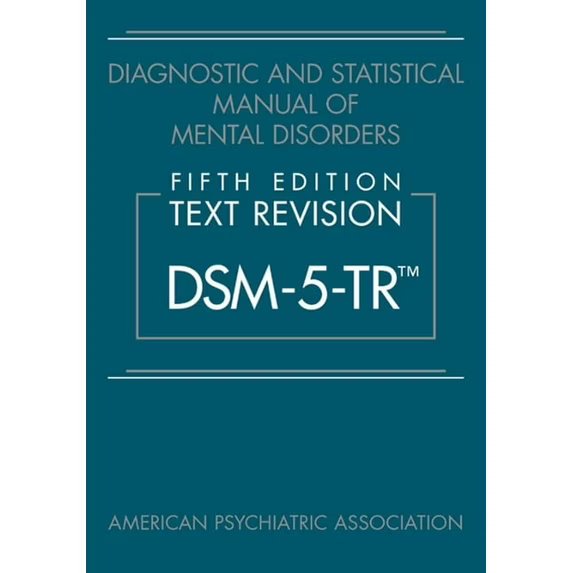
The Diagnostic and Statistical Manual of Mental Disorders (DSM) stands as the authoritative reference tool for professionals in the mental health field. Designed to provide consistent criteria and standardized classifications, the DSM is trusted worldwide for diagnosing and understanding various mental health conditions. Whether you are a seasoned clinician, researcher, student, or educator, this manual serves as the cornerstone for your work in psychology, psychiatry, and behavioral sciences.
All-Inclusive Coverage of Mental Health Disorders
With a meticulous compilation of diagnoses, symptoms, and classifications, the DSM ensures precision in recognizing and addressing mental health issues. It is designed to provide clarity to both experienced practitioners and newcomers to the field by covering a broad spectrum of disorders, including but not limited to mood disorders, anxiety disorders, neurodevelopmental disorders, and substance-related conditions. Each category is outlined with diagnostic criteria that simplify the identification process while remaining sensitive to individual variations and holistic patient care.
Designed for Ease of Use and Reliability
The DSM employs an intuitive structure that ensures ease of navigation. Organized into chapters and sections, it streamlines access to critical information for efficient reference during assessments, consultations, or academic preparation. Its evidence-based approach, developed through rigorous research and collaboration among leading experts in the field, underscores its reliability and credibility as a critical diagnostic tool. The manual also serves as a vital resource in legal contexts, insurance claims, and treatment planning, making it indispensable in various professional landscapes.
A Foundation for Insight, Learning, and Progress
More than just an informative guide, the DSM contributes to broader initiatives in mental health care and advocacy. It empowers professionals to develop effective treatments, facilitates research collaborations, and fosters understanding of mental health conditions. Additionally, it serves to reduce stigma by increasing awareness and promoting contemporary perspectives on mental health issues. Whether you are delving into advanced studies or guiding patients toward recovery, the DSM supports you at every stage of the journey.
Discover how the Diagnostic and Statistical Manual of Mental Disorders can transform your understanding of mental health and improve the quality of care you provide. The DSM is not just a manual; it is a pivotal resource for professionals committed to advancing the field of mental health.



Reviews
There are no reviews yet.