
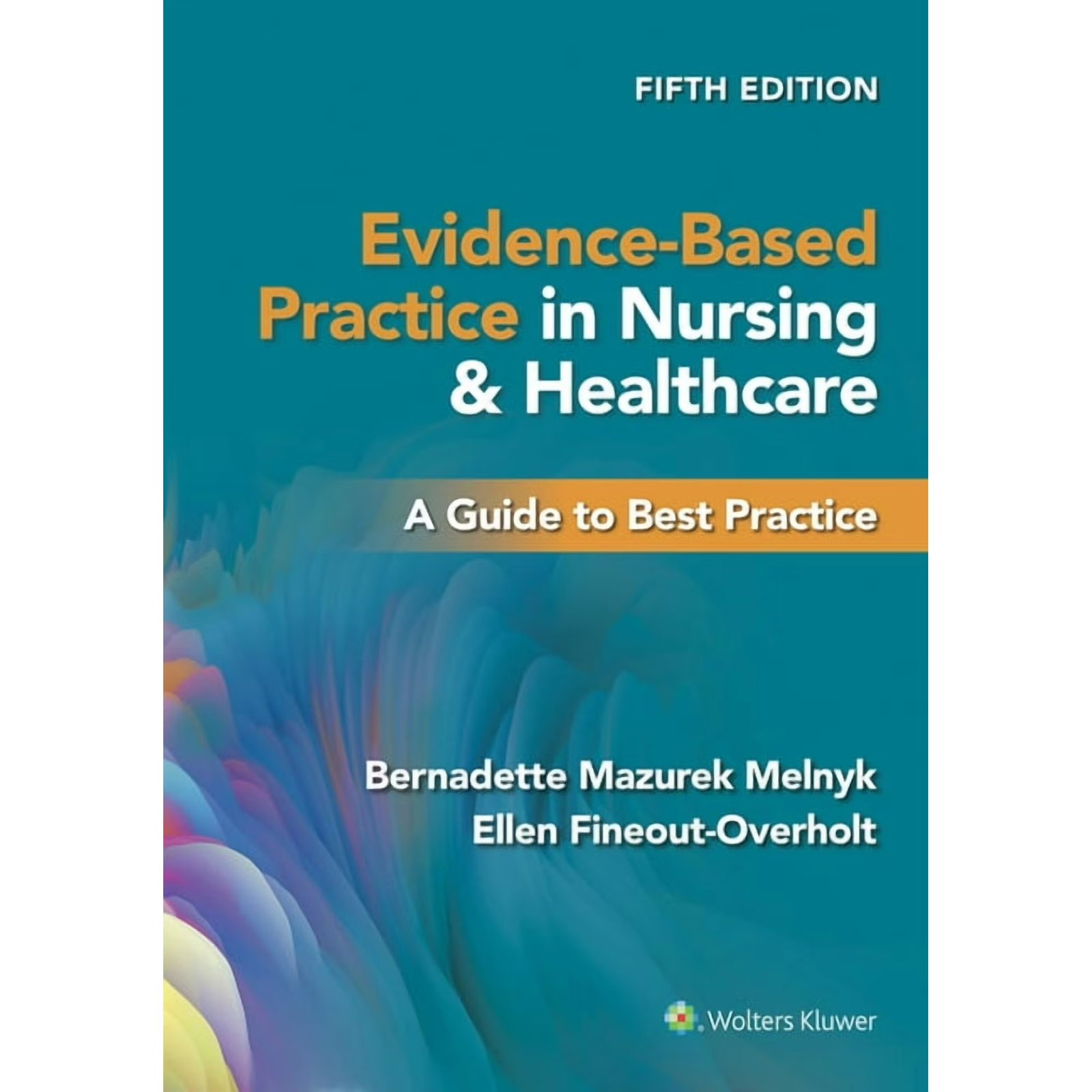
Description
Empowering Nurses with Evidence
In today’s rapidly evolving healthcare landscape, nurses are increasingly expected to make informed decisions based on the best available evidence. This commitment to evidence-based practice (EBP) is not merely a trend but a fundamental shift towards improved patient outcomes and enhanced professional accountability. Understanding and applying EBP principles are crucial for every nurse seeking to deliver high-quality, compassionate care.
The Core Principles of Evidence-Based Practice
Evidence-based practice in nursing involves a systematic approach to clinical decision-making. It integrates the nurse’s clinical expertise with the best research evidence, patient preferences, and available resources. This process typically includes asking a clinical question, searching for relevant evidence, critically appraising the evidence, implementing the evidence in practice, and evaluating the outcomes. Mastery of these skills allows nurses to continuously improve their practice and contribute to a culture of inquiry within their healthcare setting. By embracing a methodology rooted in research, nurses can move away from traditional practices that may not be as effective or efficient.
Benefits of Evidence-Based Nursing
Implementing evidence-based practices in nursing has numerous benefits for patients, nurses, and healthcare organizations. Patients receive care that is more effective, safer, and tailored to their individual needs. Nurses experience increased job satisfaction and professional growth as they contribute to improved patient outcomes and advance the nursing profession. Healthcare organizations benefit from reduced costs, improved quality of care, and enhanced reputation. The commitment to evidence-based nursing fosters a culture of continuous learning and innovation. Moreover, EBP encourages nurses to challenge assumptions and critically evaluate existing practices, leading to more effective and efficient healthcare delivery. The integration of evidence ensures that resources are used wisely, and that patients receive the most appropriate and up-to-date interventions.
Challenges and Opportunities
While the benefits of evidence-based practice are clear, implementing EBP in nursing can be challenging. Barriers may include lack of time, access to resources, support from leadership, and knowledge of research methods. However, there are many opportunities to overcome these challenges through education, mentorship, and collaboration. Healthcare organizations can support EBP by providing nurses with access to research databases, training on EBP principles, and protected time for research and quality improvement activities. By addressing these challenges and embracing the opportunities, nurses can fully integrate EBP into their daily practice and transform the future of nursing care. Ultimately, the goal is to provide the best possible care to patients, grounded in scientific evidence and professional expertise. The journey towards widespread adoption of evidence-based practice is ongoing, requiring dedication, perseverance, and a commitment to lifelong learning.




Reviews
There are no reviews yet.